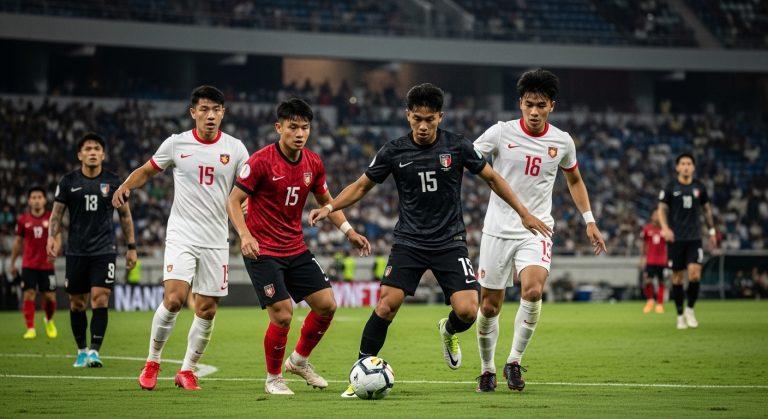
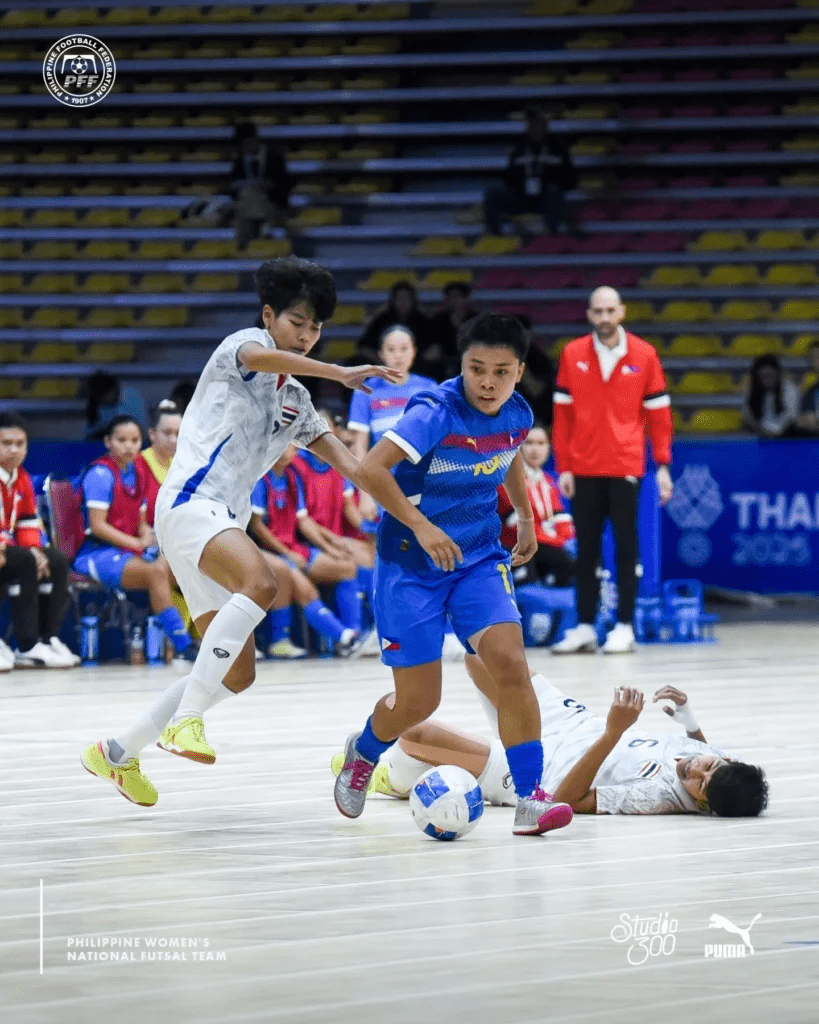
This analysis examines the filipinas Football Philippines campaign as the national team aims to convert recent progress into consistent World Cup qualification. The journey back to the global stage requires balancing short-term competitive fixes with long-term structural investment across coaching, talent pipelines, and domestic competition.
Where the Filipinas Stand in Asian Women’s Football
The Philippines has established itself as a disruptive presence in Asia over the past decade, combining technical players from the domestic system with recruits from the Filipino diaspora. That hybrid model has produced notable results and raised expectations. Yet Asia remains a highly competitive confederation: established powers like Japan, China and South Korea along with fast-improving sides such as Australia and rising Southeast Asian programs mean qualification pathways are narrow and unforgiving.
Performance at regional and continental tournaments offers the clearest diagnostic of progress. The Women’s Asian Cup and its qualifying events not only determine continental pecking order; they also serve as rehearsal spaces to test tactical ideas, depth and resilience under pressure. For the Filipinas, results in those tournaments indicate the team’s current ceiling and the immediate gaps to close.
Tactical Evolution and Coaching Continuity
At the tactical level, the team has shown flexibility—shifting between compact defensive shapes and more progressive, possession-oriented phases depending on opponent and personnel. Tactical clarity and consistent coaching are two levers that can amplify limited resources. A longer-term commitment to a defined playing identity helps with player recruitment and development: when players know the system they are being prepared for, clubs and academies can better align training methods.
Coaching continuity also affects squad cohesion. Regular turnover at the technical staff level forces repeated tactical restarts and can hinder the integration of younger players. A pragmatic approach is to secure a coaching roadmap—at least two full tournament cycles—so that tactical adjustments happen incrementally rather than in wholesale fashion ahead of crucial qualifiers.
Development Pathways and Domestic Competition
Building sustainable depth depends on the quality of domestic competition and the effectiveness of youth pathways. While diaspora recruitment fills immediate gaps, it cannot be the only strategy. Strengthening the domestic league, improving scouting networks across island regions, and expanding school- and community-based programs will increase the talent pool. Investment in women’s football at provincial and club levels must include coaching education and minimum standards for training facilities to ensure players transition smoothly to the international level.
Player welfare and career pathways matter too. Contracts, medical support, and clear opportunities for progression into coaching or administration influence whether talented athletes stay in the game. The federation, clubs, and commercial partners should create frameworks that reward performance and protect players’ careers.
Competition Readiness: Scheduling, Sports Science and Match Experience
Match readiness is shaped by the quantity and quality of preparatory games. Scheduled friendlies against higher-ranked Asian teams or competitive matches in regional tournaments provide a measuring stick that is more actionable than training camps alone. Sports science, recovery protocols and individualized conditioning programs help reduce injuries and maintain consistent performance across qualifying windows.
For a program operating within budget constraints, prioritizing a small number of high-impact improvements—such as enhanced analytics staff or hiring a dedicated strength and conditioning coach—can yield disproportionate returns. Targeted investments that directly influence match outcomes often beat broad but shallow spending.
Actionable Takeaways
- Establish coaching continuity for at least two tournament cycles to build a coherent tactical identity and reduce repeated transitions.
- Prioritize a strengthened domestic league with minimum standards for player development, coaching education, and club infrastructure.
- Schedule regular, competitive friendlies against higher-ranked Asian teams to expose players to tournament-level intensity and tactical variety.
- Invest in a compact set of sports-science roles (physio, strength & conditioning, performance analyst) that directly impact player availability and match preparation.
- Create clearer pathways from youth programs to senior squads, including talent identification in underrepresented regions and support for dual-career planning.
Practical Challenges and Strategic Opportunities
Fiscal realities constrain what national federations can do overnight. The practical imperative is to sequence reforms so early wins fund longer-term projects. For instance, better competition scheduling and a focus on low-cost, high-impact sports science hires can improve results quickly, which in turn attracts sponsors and domestic interest to expand budgets for youth development and facilities.
Public engagement also plays a role. Greater media coverage and community outreach help grow the fan base and commercial partnerships. That ecosystem effect—from fans to sponsors to improved youth investment—creates a virtuous cycle that makes World Cup qualification more than a sporting milestone; it becomes a catalyst for broader growth in the women’s game.
Source Context
- Esquire Philippines: The Filipinas’ Fight to Return to the World Cup
- ESPN: Women’s Asian Cup 2026 coverage and viewing information
- A-Leagues: Matildas v Philippines match preview and context
Re-establishing the Filipinas as regular World Cup competitors is not guaranteed, but it is attainable. Success depends on aligning short-term competitive measures with durable structural reforms: clear coaching plans, stronger domestic competition, prioritized sports science, and committed investment in youth. Those steps create a foundation that turns episodic breakthroughs into sustainable progress on the global stage.