
Injury Prevention In Football How To Play Safe And Stay Healthy
Updated: April 8, 2026
Injury Prevention in Football: How to Play Safe and Stay Healthy
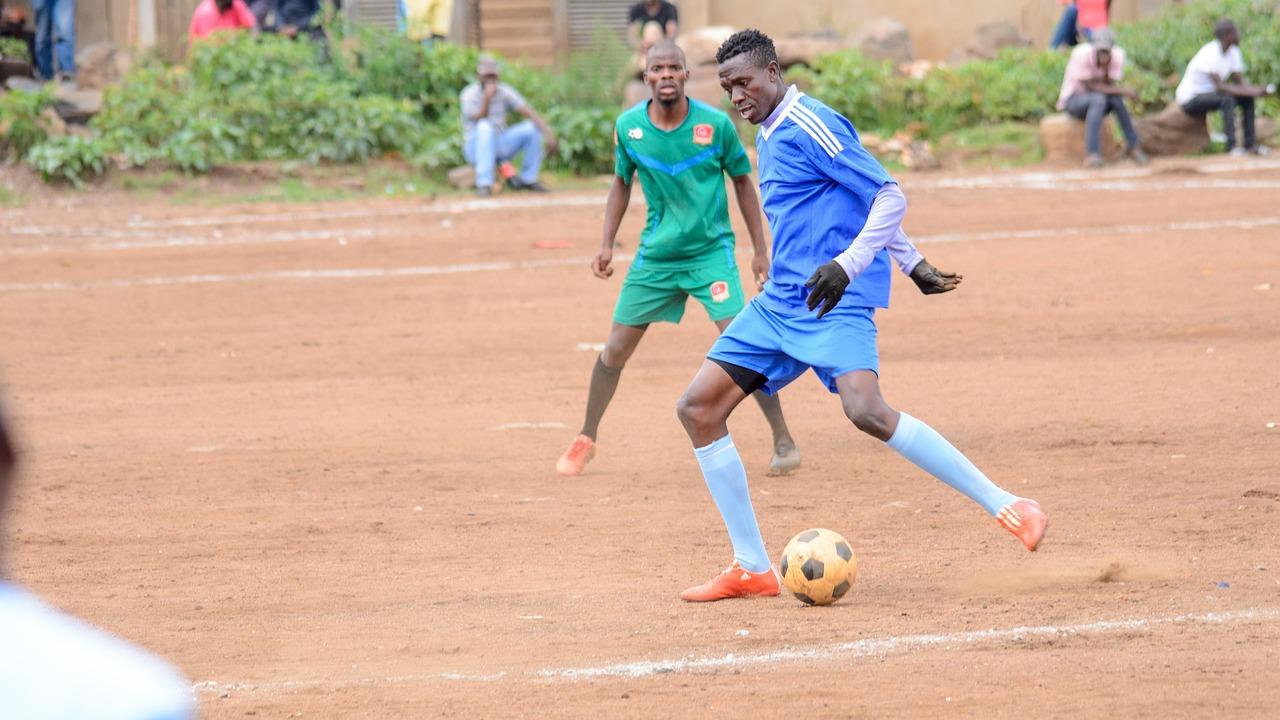
Football is a thrilling sport enjoyed by millions worldwide, celebrated for its combination of strength, strategy, and sheer athleticism. However, with its high-impact nature, football players are often at risk of injuries ranging from minor sprains to severe concussions. Injury prevention is crucial for players at all levels, ensuring not only safety but also longevity in the sport. This comprehensive guide will explore how players can play safe and stay healthy on the field.
Understanding Common Football Injuries
Before diving into prevention strategies, it’s vital to understand the types of injuries that commonly occur in football. These injuries can be categorized into two main types: acute injuries and overuse injuries.
Acute Injuries
Acute injuries happen suddenly and are often the result of a specific traumatic event. Some common acute injuries in football include:
- Sprains and Strains: These involve the overstretching or tearing of ligaments and muscles, often occurring during quick changes in direction or collisions.
- Fractures: Broken bones can result from direct impacts or falls. The legs, arms, and fingers are particularly vulnerable.
- Concussions: This is a serious brain injury caused by impacts to the head, leading to symptoms like headache, confusion, and dizziness.
Overuse Injuries
Overuse injuries develop over time due to repetitive stress on muscles, joints, and tissues. Common examples include:
- Tendinitis: Inflammation of the tendons, often in the knees and shoulders, caused by repetitive motion.
- Stress Fractures: Small cracks in the bone usually resulting from repetitive force or overuse.
- Bursitis: Inflammation of the bursae, the small sacs cushioning the bones, tendons, and muscles near joints.
Effective Injury Prevention Strategies
Preventing injuries in football requires a multifaceted approach, incorporating proper training, equipment, and lifestyle choices. Below are some key strategies players can implement to reduce their risk of injury:
Proper Warm-Up and Cool-Down
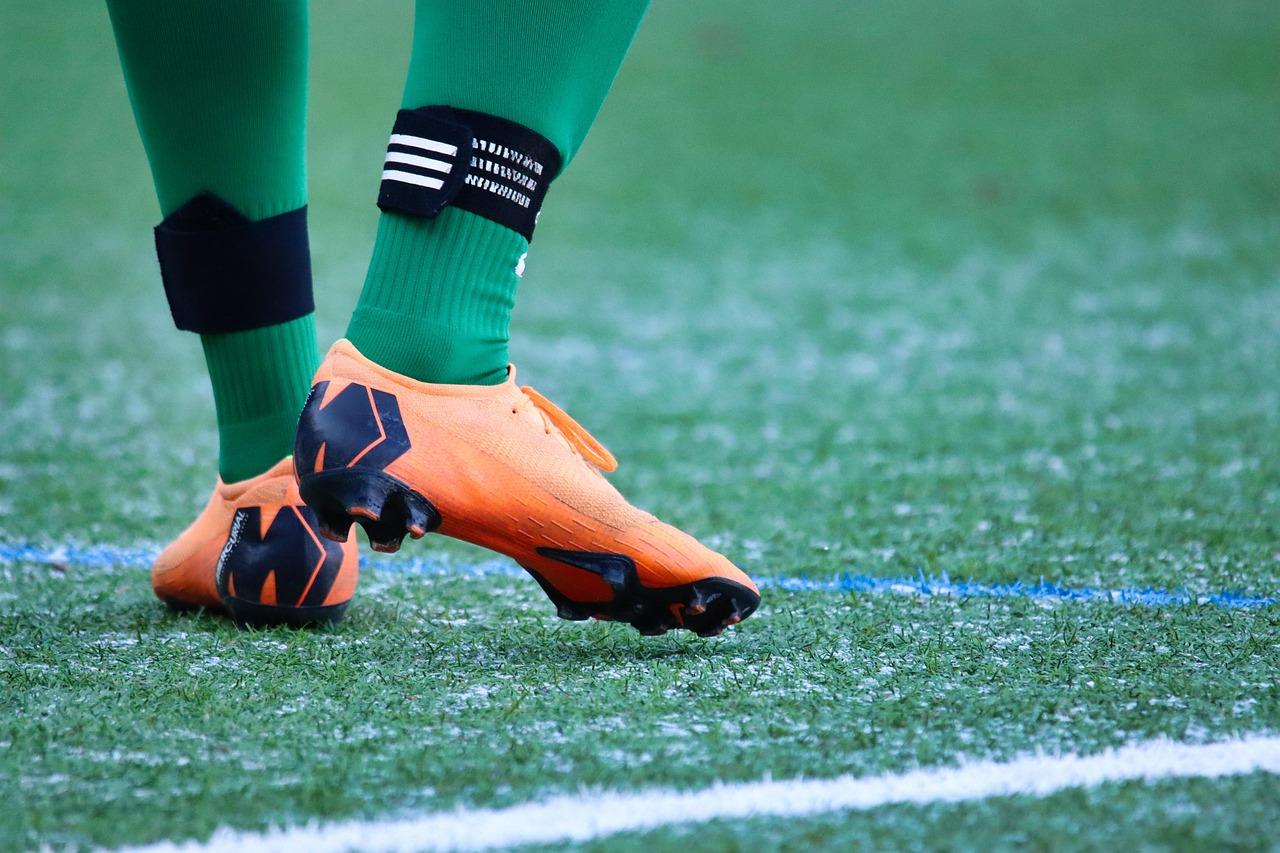
A comprehensive warm-up routine is essential for preparing the body for the physical demands of football. This should include dynamic stretches and light aerobic exercises to increase blood flow and loosen muscles. A proper cool-down with static stretching can help reduce muscle stiffness and aid recovery.
Strength and Conditioning
Building strength, flexibility, and endurance plays a vital role in injury prevention. Implementing a well-rounded strength and conditioning program helps enhance muscle stability and joint support, reducing the likelihood of injuries. Focus areas should include core stability, lower body strength, and flexibility exercises.
Use of Appropriate Equipment
Wearing the right equipment is crucial in protecting against injuries. This includes helmets, shoulder pads, mouthguards, and appropriate footwear. Ensuring that equipment is the correct size and fits properly can significantly reduce the risk of injury.
Hydration and Nutrition
Proper hydration and nutrition are often overlooked aspects of injury prevention. Staying hydrated helps maintain performance levels and prevents cramps, while adequate nutrition supports muscle repair and recovery. Players should focus on a balanced diet rich in proteins, carbohydrates, and healthy fats.
Training and Technique
Correct training techniques and adherence to safe playing methods are vital components in minimizing injury risks. Coaches and players should prioritize the following:
Education and Awareness
Continuous education on injury risks and safe playing techniques can significantly reduce injury incidences. This includes understanding the symptoms of concussions and knowing when to seek medical attention.
Gradual Progression
Players should gradually increase the intensity and duration of their training sessions to allow their bodies to adapt and strengthen over time. Sudden increases can lead to overuse injuries and burnout.
Correct Form and Technique
Emphasizing the correct form during tackles, runs, and other movements can prevent unnecessary strain on the body. Coaches should regularly reinforce proper techniques to ensure players are executing them safely.
Role of Rest and Recovery
Rest and recovery are just as important as training and play when it comes to injury prevention. Adequate rest allows the body to repair and strengthens itself, making players more resilient to injuries.

Scheduled Rest Days
Implementing scheduled rest days into training routines helps prevent overtraining and reduces the risk of overuse injuries. These days should be used to relax, recover, and perform light activities if necessary.
Sleep and Recovery
Ensuring that players get enough sleep is essential for recovery and overall health. Sleep supports muscle repair, cognitive function, and energy levels, all of which contribute to optimal performance and injury prevention.
Incorporating recovery techniques such as foam rolling, massage, and active recovery exercises can further aid in reducing muscle soreness and improving flexibility.
Takeaways
Injury prevention in football is an ongoing commitment that requires attention to detail and dedication from both players and coaches. By understanding the types of injuries, implementing comprehensive prevention strategies, and prioritizing rest and recovery, players can significantly reduce the risk of injury and enjoy a long, healthy career in football. Remaining informed and vigilant is key to ensuring safety on the field, ultimately allowing players to focus on what they love most—playing the game.
Engagement with Healthcare Professionals
Injury prevention also involves a proactive approach by engaging with healthcare professionals who specialize in sports medicine. Regular check-ups and consultations can help players manage existing conditions and prevent new injuries from occurring.
Regular Health Assessments
Players should undergo regular health assessments to monitor their physical condition and identify potential injury risks. These evaluations can catch early signs of stress or imbalance that may lead to injuries if left unaddressed.
Access to Physiotherapy
Working with a physiotherapist can provide players with personalized exercises and treatment plans to address specific concerns. Physiotherapists can offer guidance on proper techniques and exercises to strengthen weak areas and prevent injuries.
In addition, physiotherapy sessions can include treatments such as ultrasound, electrical stimulation, and manual therapy, which can aid in recovery and enhance performance.
Creating a Supportive Team Environment
Injury prevention is not solely an individual effort; it requires a team-wide commitment to safety and health. Coaches and team members play a crucial role in fostering an environment that prioritizes injury prevention.

Open Communication
Encouraging open communication between players, coaches, and medical staff ensures that any concerns or symptoms are addressed promptly. Players should feel comfortable reporting pain or discomfort without fear of judgment or loss of playing time.
Team Workshops and Training
Organizing workshops and training sessions focused on injury prevention can educate players about the importance of safety measures. These sessions can cover topics such as proper nutrition, hydration, and mental health strategies.
Additionally, involving experienced players or guest speakers can provide valuable insights and motivation for younger athletes to prioritize their health.
Mental Health and Stress Management
While physical health is paramount, mental health also plays a significant role in injury prevention. Stress and anxiety can impair decision-making and increase the likelihood of injuries due to lack of focus or poor judgment.
Mindfulness and Relaxation Techniques
Incorporating mindfulness practices such as meditation, deep breathing exercises, and yoga can help players manage stress levels and improve concentration. These techniques can enhance mental resilience and overall well-being.
Access to Counseling Services
Providing access to counseling services allows players to address any mental health concerns that may affect their performance or increase injury risks. Professional counselors can offer strategies for coping with stress, maintaining motivation, and balancing personal and athletic commitments.
By addressing both physical and mental aspects of health, players can achieve a holistic approach to injury prevention that supports their overall development and success in football.
Takeaways
Injury prevention in football is a multifaceted endeavor that requires a proactive approach and a commitment to maintaining optimal health. By understanding common injuries, implementing effective prevention strategies, and fostering an environment that prioritizes safety, players can significantly reduce the risk of injury and enjoy a fulfilling career in the sport.
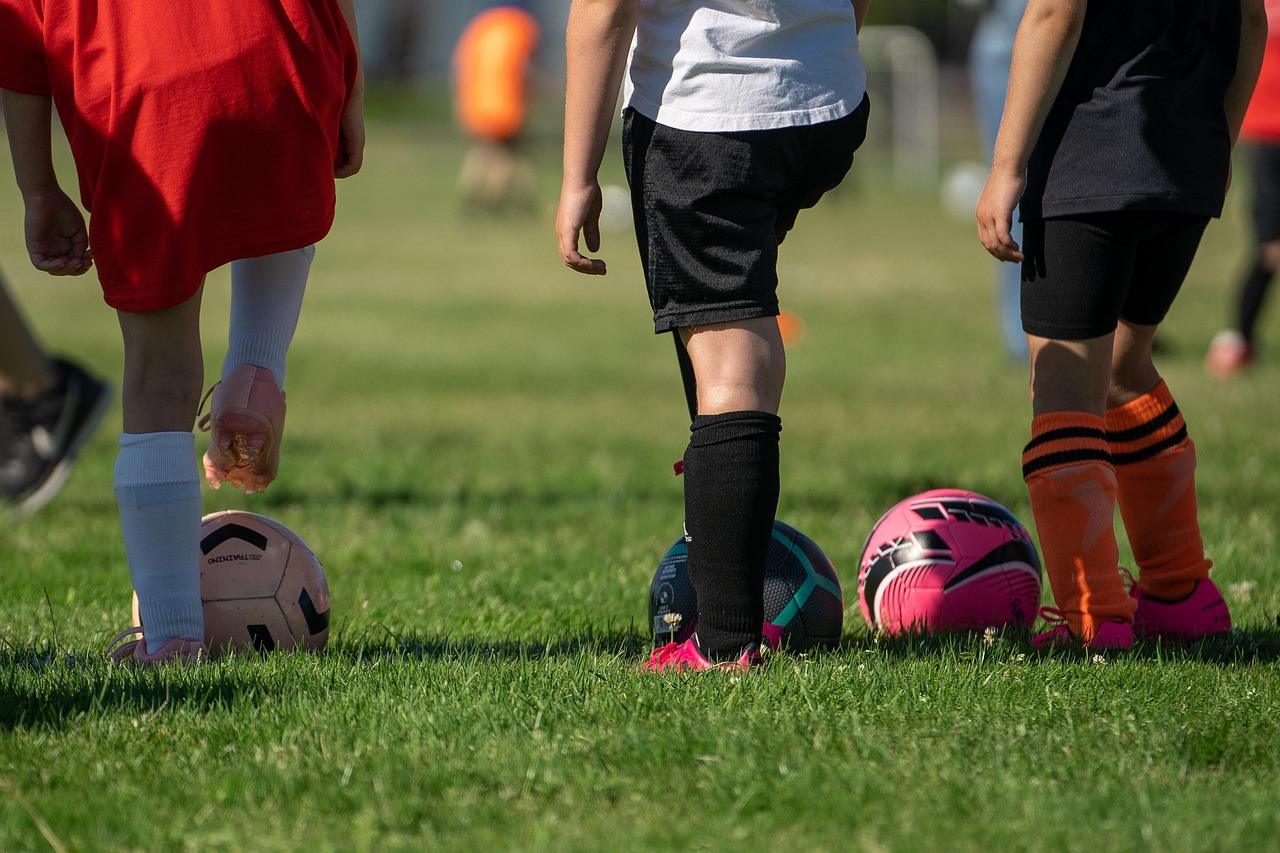
Whether through proper training, the use of appropriate equipment, engagement with healthcare professionals, or attention to mental health, the efforts made towards injury prevention will benefit players both on and off the field. As the sport continues to evolve, staying informed and adapting to new advancements in injury prevention will be key to ensuring the well-being of athletes at all levels.
With dedication and a focus on health and safety, players can continue to experience the excitement and challenge of football while minimizing the risks associated with this dynamic sport.
Leveraging Technology for Injury Prevention
In the modern era, technology plays an increasingly crucial role in enhancing injury prevention strategies in football. From wearable devices to advanced analytics, technology offers innovative solutions to monitor player health and performance.
Wearable Technology
Wearable devices, such as GPS trackers and heart rate monitors, provide real-time data that can be used to track a player’s physical activity, workload, and recovery status. By analyzing this data, coaches and medical staff can tailor training programs to individual needs, ensuring players are not overexerting themselves.
These devices can also alert players to potential risks by monitoring vital signs and movement patterns. Early detection of anomalies can prompt timely interventions, reducing the threat of injury.
Video Analysis and Biomechanics
Video analysis tools allow coaches to review players’ techniques and movements in detail. By examining footage of training and matches, coaches can identify poor techniques or risky behaviors that could lead to injuries.
Biomechanical analysis goes further by analyzing the forces and motions involved in a player’s movements. Understanding these dynamics can help in designing exercises that correct imbalances and enhance performance while minimizing injury risks.
Artificial Intelligence and Predictive Analytics
Artificial Intelligence (AI) is increasingly being used to predict injuries before they occur. By analyzing vast amounts of data, AI can identify patterns and correlations that may not be immediately apparent to human analysts.
Predictive analytics can highlight players who are at higher risk of injury based on their training loads, past injury history, and other factors. This information allows for proactive adjustments in training and recovery protocols, helping to prevent injuries before they happen.
Importance of Customized Training Programs
Every football player has unique strengths, weaknesses, and injury risks. Customized training programs are essential for addressing these individual factors, ensuring each player receives the specific support they need.

Individual Assessments
Conducting individual assessments allows coaches and trainers to understand each player’s physical and mental profile. These assessments should consider factors such as flexibility, strength, endurance, and past injuries.
Based on the results, a personalized training plan can be developed to target areas that require improvement and to prevent potential injuries.
Tailored Recovery Plans
Just as training programs should be personalized, so too should recovery plans. Players recover at different rates and may respond to various recovery techniques in unique ways.
Customized recovery plans take into account a player’s specific needs, incorporating techniques such as cryotherapy, massage, or specialized stretching routines to optimize recovery and reduce injury risks.
Building a Culture of Safety and Health
Ultimately, successful injury prevention in football requires a cultural shift towards prioritizing safety and health. This involves the collective efforts of players, coaches, medical staff, and organizations.
Leadership and Accountability
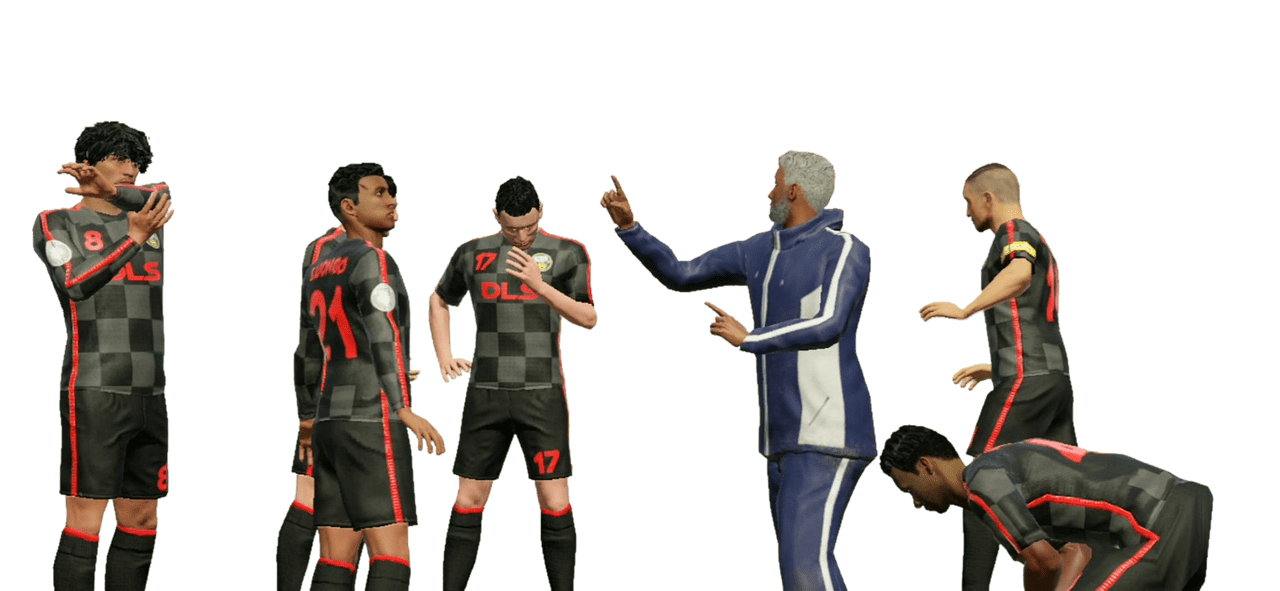
Coaches and team leaders must set the tone by emphasizing the importance of injury prevention and leading by example. By demonstrating a commitment to safety, they can foster a culture where health is valued as much as performance.
Education and Continuous Learning
Continuous education is vital for staying updated on the latest advancements in injury prevention. Teams should invest in ongoing training and workshops for players and staff to ensure they are equipped with the knowledge and skills to keep players safe.
Encouraging players to take initiative in learning about their health and well-being can empower them to make informed decisions about their training and lifestyle choices.
Takeaways
Injury prevention in football is a dynamic and evolving field that requires the integration of traditional practices with modern technology and personalized approaches. By leveraging technology, creating customized training plans, and fostering a culture of safety, players can significantly reduce their risk of injury and enjoy a long, successful career in the sport.
As the football community continues to prioritize player health, the sport will not only become safer but will also allow athletes to perform at their highest potential, bringing joy and excitement to fans worldwide. By remaining committed to these principles, the future of football can be both thrilling and safe for all involved.






![NXGN HIC Template [16_9] Multiple Image.jpg](https://shein-express.com/wp-content/uploads/2026/04/NXGN-HIC-Template-16_9-Multiple-Image.jpg-768x432.webp)