Filipina football player training on a sunny field
Updated: April 8, 2026
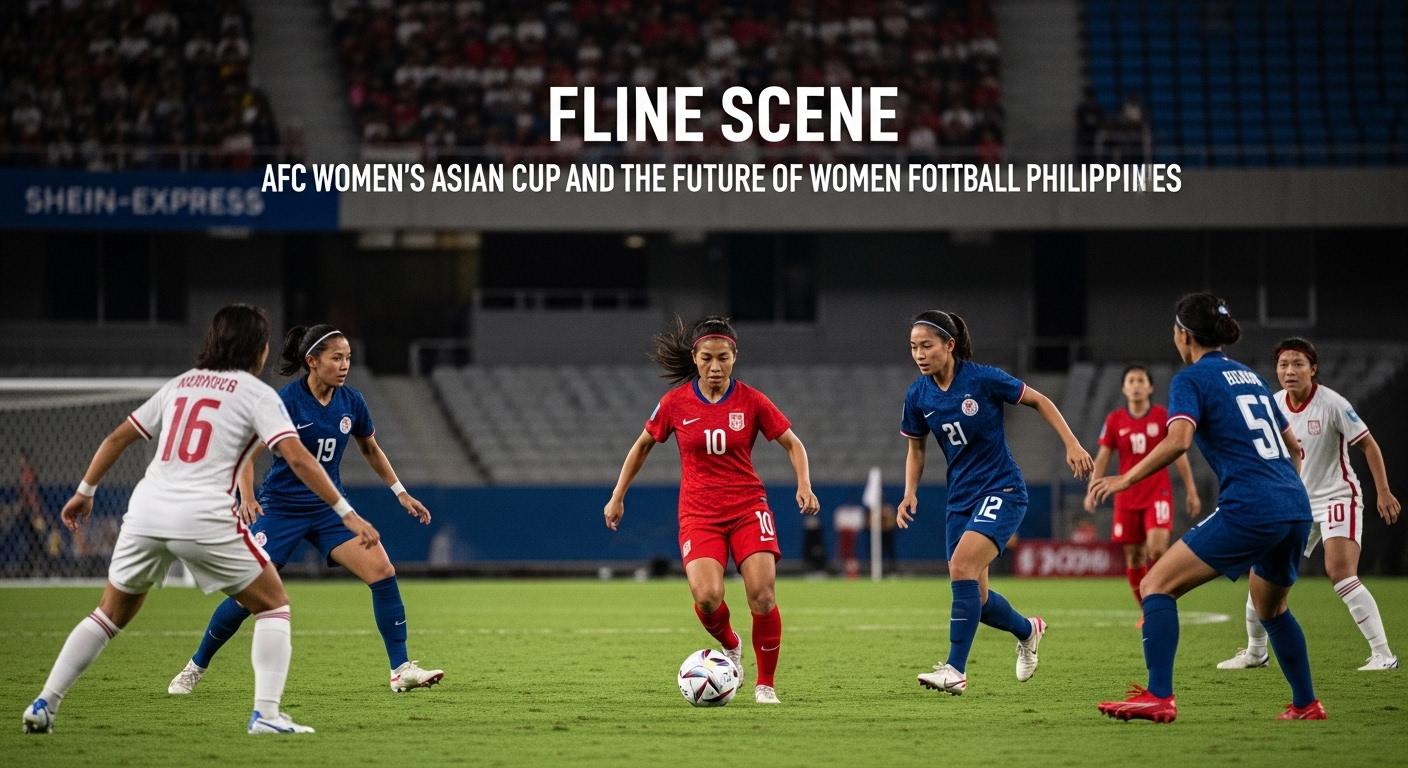
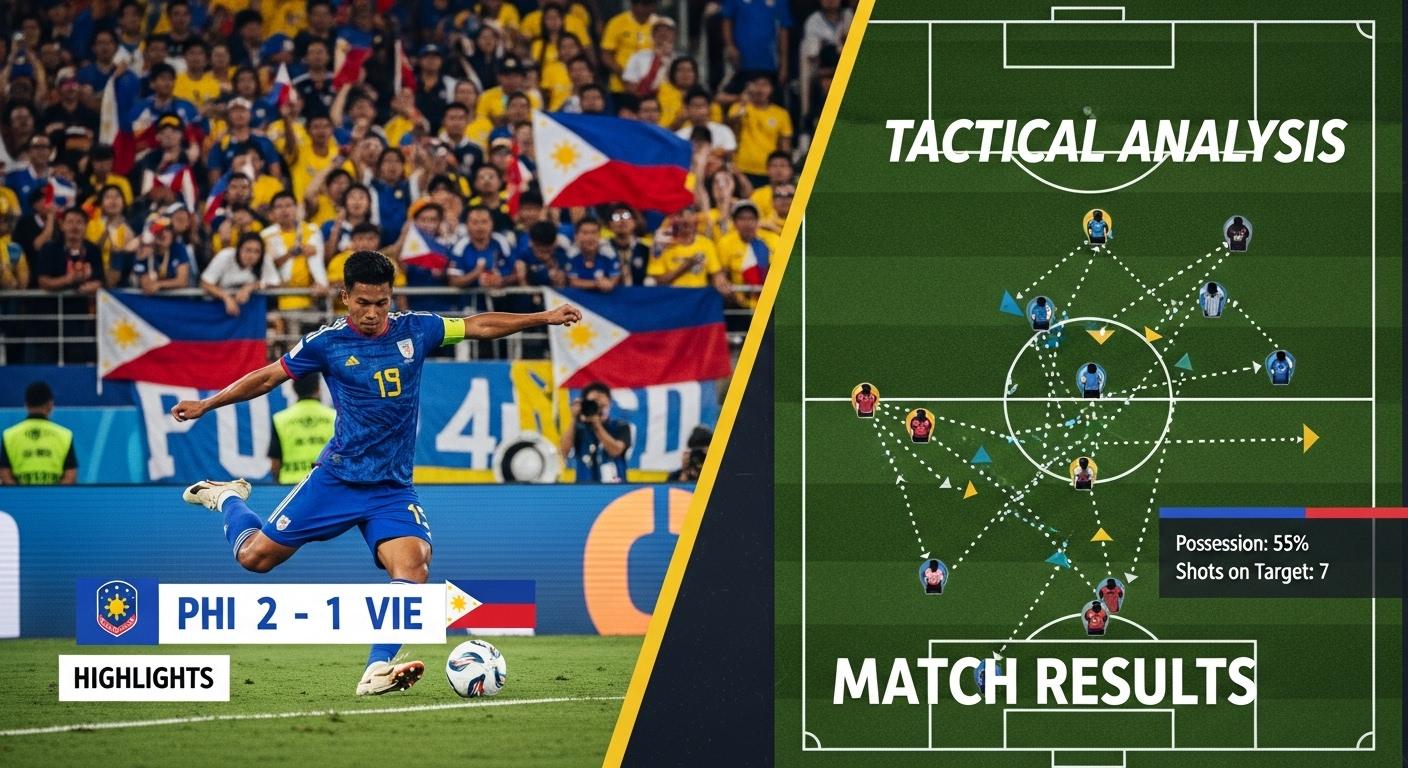
Across the Philippines, football is increasingly pitched as a platform for national pride and women’s empowerment. The story of women Football Philippines is more than results—it’s a lens into gender progress, talent pipelines, and a sport seeking broader support. As the AFC Women’s Asian Cup 2026 in Australia approaches, analysts and fans alike are watching how the national program translates talent into continental competition, and what that means for the game at home.
A continental stage and what it means for local programs
The AFC Women’s Asian Cup provides a rare benchmark for a developing program. For the Philippines, the tournament is both a proving ground and a catalyst: a chance to measure the effectiveness of youth development, coaching standards, and the allocation of resources behind the game at the grassroots level. Reports emphasize that the Philippines is set to face a powerhouse field, including the Matildas in the opener, a test that will illuminate gaps and opportunities in equal measure. Beyond results, the event serves as a narrative on visibility—how audiences domestically and among the Philippine diaspora engage with women’s football, and how broadcasters and sponsors respond when women athletes compete on a continental stage.
Paraphrasing the framing around the opener against the Matildas, experts highlight this fixture as a stress test and a benchmark for progress: can a growing pool of players translate current training into performance against a top-tier nation? The answer, at least in analysis, hinges not only on talent but also on the ecosystem that supports it—regional scouting, access to high-level competition, and the ability to sustain long-term programs rather than one-off campaigns.
Gaps in the pipeline: domestic league, coaching, and player exposure
One of the clearest barriers to improved results at the AFC level is the domestic pipeline. In many parts of Southeast Asia, national teams improve when domestic leagues provide year-round competition, professional coaching, and pathways for players to graduate from youth systems to the senior team. For the Philippines, translating this into measurable gains requires expanding the reach and quality of the domestic league, ensuring more clubs for meaningful rivalries, and extending seasons beyond a handful of months. Coaching education is equally vital: teachers, tacticians, and mentoring staff need structured, ongoing access to advanced methodologies so that players experience consistent standards across clubs and academies.
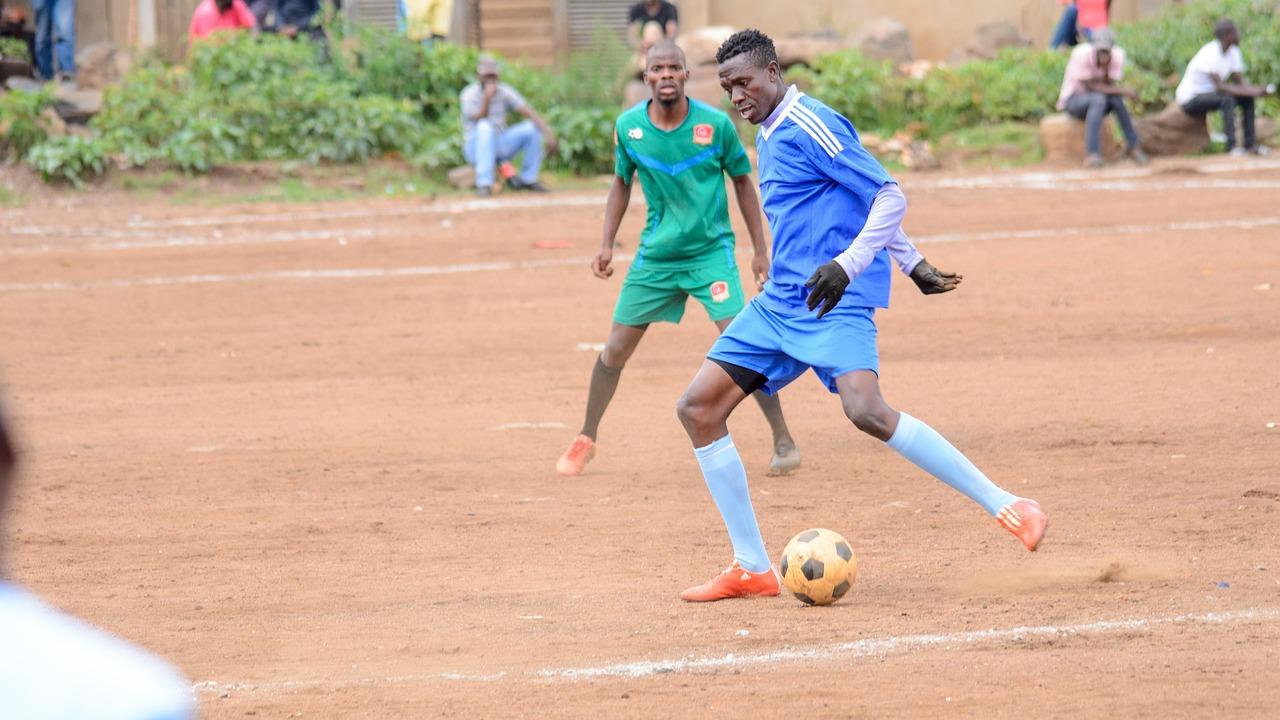
Exposure matters too. Sending players to regional友 training camps, inviting foreign clubs for exchanges, and creating sponsored overseas trial opportunities can accelerate development. Where possible, national federation initiatives should align with school and community programs to cultivate a broader base of participants, particularly among girls who may not yet see football as a viable long-term pursuit. The result would be a pool of athletes who arrive at senior competition with more game intelligence, physical literacy, and professional discipline than previous generations.
Strategies that could shift outcomes: investment, partnerships, and visibility
Long-term improvement requires a multi-pronged strategy that prioritizes sustainability over short bursts of success. First, targeted investment in coaching licenses, strength and conditioning staff, sports science support, and data analytics can lift the standard of play across the federation and club systems. Second, partnerships with both regional clubs and international academies can provide players with higher levels of competition and mentorship. These collaborations also raise the level of coaching knowledge back home, creating a virtuous cycle of improvement that transcends a single tournament.
Third, visibility matters as much as talent. Media coverage, sponsorship deals, and community events should be structured to normalize women’s football and turn fan interest into tangible support—ticket sales, merchandise, and social campaigns that celebrate progress while holding organizations accountable for progress. Finally, a formalized youth-to-senior pipeline—with clear age-group standards, performance metrics, and scholarship opportunities—can convert early promise into sustainable progress, reducing attrition and enabling a steady stream of capable players for the national team.
Actionable Takeaways
- National federation should publish a 5- to 7-year development plan linking youth programs, domestic leagues, and the senior national team with specific performance targets and funding commitments.
- Clubs and sponsors should co-create youth academies and feeder leagues that provide affordable access for girls, with a pathway to professional contracts and national-team opportunities.
- Coaching education must be prioritized through accredited licenses, mentorship exchanges, and regular performance reviews tied to player outcomes.
- Increase exposure by arranging regular regional friendlies, overseas training opportunities, and broadcast partnerships to elevate the profile of women’s football in the Philippines.
- Engage communities through school programs, clinics, and youth leagues to grow a broad base of participation, reducing talent bottlenecks at the grassroots level.



![NXGN HIC Template [16_9] Multiple Image.jpg](https://shein-express.com/wp-content/uploads/2026/04/NXGN-HIC-Template-16_9-Multiple-Image.jpg-768x432.webp)