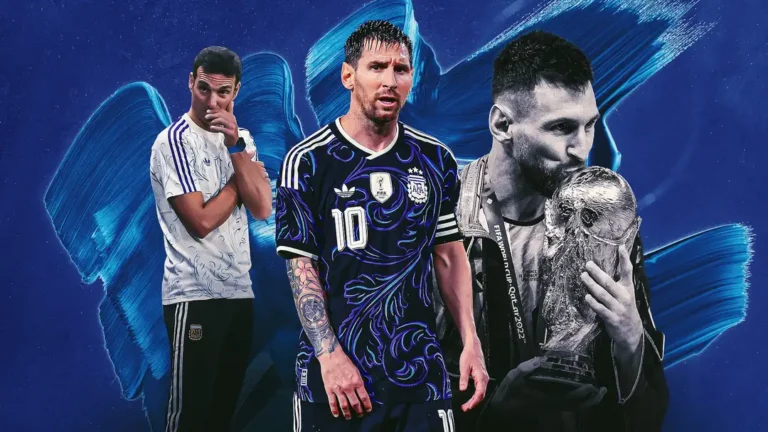

The Evolution Of Football How The Sport Has Transformed Over The Years
Updated: April 8, 2026
The Evolution of Football: How the Sport Has Transformed Over the Years
Football, known as soccer in some regions, is the world’s most popular sport. Its evolution from a rudimentary pastime to a global phenomenon is a fascinating journey that reflects societal changes, technological advancements, and cultural shifts. This post will explore the transformation of football through its history, rules, technology, and global influence.
Origins and Early Development
The roots of football can be traced back over two millennia to ancient civilizations. The Chinese game Cuju, the Greek Episkyros, and the Roman Harpastum were early forms of ball sports that bore similarities to modern football. These ancient games involved teams and a ball but had varying rules and objectives.
Football as we know it began to take shape in England during the 19th century. The codification of rules, largely attributed to the founding of the Football Association in 1863, provided a structured format for the sport. This was a significant milestone, marking the separation of football from rugby and the establishment of the modern game’s basic principles.
Development of Rules and Regulations
The Laws of the Game have continuously evolved since 1863. Initially, rules were rudimentary, allowing for practices such as “hacking” (kicking an opponent in the shins). Over time, the rules have been refined to improve player safety and game fairness.
Significant changes include the introduction of the penalty kick in 1891, the offside rule revisions, and the implementation of yellow and red cards in 1970 to discipline players. These changes have not only enhanced the quality of play but have also made the game more viewer-friendly.
Technological Advancements
Technology has significantly impacted football, from equipment to broadcasting. In the early days, footballs were made from inflated pig bladders, covered with leather. Today’s balls are designed with precision engineering for better flight and control.

Broadcasting advancements have brought football into millions of homes worldwide. The introduction of live television broadcasts in the mid-20th century transformed the sport, turning it into a global spectacle. The rise of digital platforms has further expanded access, allowing fans to watch matches from anywhere on the planet.
Recently, the use of goal-line technology and the Video Assistant Referee (VAR) system have introduced a new level of precision in officiating, reducing human error and ensuring fair outcomes.
Globalization and Cultural Impact
Football’s global reach is unparalleled. The establishment of international tournaments like the FIFA World Cup has been instrumental in spreading the sport’s popularity. The World Cup, first held in 1930, has grown into a massive event, uniting fans across continents.
Clubs from Europe, South America, and increasingly Asia and Africa have nurtured talents that transcend national boundaries, turning football into a cultural phenomenon. Players like Pelé, Diego Maradona, and Lionel Messi have become global icons, influencing generations of fans and aspiring athletes.
Football has also played a role in societal change, from promoting national pride to challenging social norms. The sport has been a platform for addressing issues such as racism, equality, and social justice, with organizations and players actively participating in awareness campaigns.
The Business of Football
Football is more than just a game; it is a multi-billion-dollar industry. Revenue streams include broadcasting rights, merchandise sales, sponsorships, and ticket sales. Clubs like Real Madrid, Manchester United, and FC Barcelona have become brands with global followings.
Financial investments have transformed clubs and leagues, particularly in Europe, where the influx of capital from investors has created super clubs with unprecedented financial power. This has led to debates about financial fair play and the disparity between wealthy and smaller clubs.

Conclusion: The Future of Football
The evolution of football is a testament to its enduring appeal and adaptability. As the sport continues to grow, new challenges and opportunities will arise. Issues such as sustainability, inclusivity, and technological integration will shape its future.
Football’s ability to bring people together, transcend cultural divides, and inspire billions worldwide ensures that it will remain a cornerstone of global culture. As we look to the future, the sport’s rich history will continue to inform and inspire its evolution, ensuring its place as the world’s beautiful game.
Challenges and Opportunities Ahead
As football continues to evolve, it faces several challenges and opportunities that can significantly impact its trajectory. One of the primary concerns is the environmental impact of large sporting events. From carbon emissions due to travel to the energy consumption of stadiums, the need for sustainable practices in football is critical. Some clubs and organizations are already taking initiatives to reduce their carbon footprint, such as implementing renewable energy solutions and promoting sustainable transportation options for fans.
Another challenge is ensuring the sport remains inclusive and accessible. The rising costs of tickets, merchandise, and broadcasting packages can alienate fans, especially those from lower-income backgrounds. Initiatives to provide affordable access and community engagement programs are essential in maintaining football’s widespread appeal.
The integration of technology presents both opportunities and risks. While technological advancements like VAR and goal-line technology enhance the game’s fairness, they can also disrupt the flow and emotional intensity that fans cherish. Finding a balance between technology and the sport’s traditional aspects will be crucial.
Football’s Role in Social Development
Football has a significant role in social development and community building. It offers a platform for promoting health, education, and social cohesion. Grassroots programs and community clubs provide young people with opportunities to develop skills, both on and off the field. These programs often focus on promoting healthy lifestyles, teamwork, and leadership, contributing to the personal development of participants.

Moreover, football has the potential to drive social change by challenging stereotypes and addressing inequalities. Initiatives like the Common Goal movement, where players pledge a percentage of their earnings to social causes, highlight how football can contribute to positive societal change.
The Rise of Women’s Football
The growth of women’s football is one of the most significant transformations in the sport’s recent history. For decades, women’s football was marginalized, with limited opportunities and recognition. However, the tide is turning, with increasing investment, media coverage, and fan engagement.
The success of events like the FIFA Women’s World Cup has demonstrated the immense potential of women’s football. Clubs and nations are investing in women’s teams, leading to a more competitive and popular women’s game. This growth not only enhances the sport’s diversity but also inspires young girls worldwide to pursue their football dreams.
Innovation in Training and Performance
Modern football training and performance have been revolutionized by scientific and technological advancements. Data analytics, biometric monitoring, and personalized training programs are now commonplace in elite clubs. These innovations allow coaches to tailor training sessions to individual players, optimizing performance and reducing injury risks.
Sports psychology is another area gaining prominence, with mental health and resilience being recognized as crucial components of a player’s development. Clubs are increasingly employing sports psychologists to support players’ mental well-being and performance under pressure.
Conclusion: A Game in Constant Motion
Football’s evolution is a journey of continuous transformation, driven by cultural, social, and technological forces. As the sport adapts to modern challenges and opportunities, its core values of teamwork, passion, and community remain unchanged. The future of football promises to be as dynamic and exciting as its past, with endless possibilities for growth and innovation.

Whether it’s through the thrilling matches on the pitch or the significant societal impact off it, football will continue to capture hearts and minds worldwide. As fans, players, and stakeholders, our collective efforts will ensure that football remains the world’s most beloved sport for generations to come.
Grassroots and Youth Development
Grassroots football plays a crucial role in the sport’s ecosystem, serving as the foundation for nurturing future talents. Across the world, community-based leagues and youth academies are instrumental in introducing young players to the game. These programs focus not just on developing football skills but also on instilling values such as teamwork, discipline, and respect.
Countries with strong grassroots frameworks, like Germany and Spain, have consistently produced world-class players. The ongoing investment in youth development is essential for maintaining a steady stream of talent for professional clubs and national teams. Moreover, these grassroots initiatives often serve as community hubs, fostering local pride and unity.
Football’s Economic Impact
The economic impact of football extends beyond the revenue generated by clubs and leagues. The sport supports a vast array of industries, including tourism, hospitality, and media. Major tournaments like the World Cup stimulate local economies, boosting sectors such as travel, accommodation, and retail. Host cities often see long-term benefits from infrastructure improvements and increased global visibility.
Additionally, football creates numerous job opportunities, from coaching and administrative roles to positions in stadium management and event organization. The sport’s economic footprint underscores its importance as a driver of employment and economic growth.
Football and International Relations
Football has a unique ability to transcend borders and foster international relationships. The sport often acts as a diplomatic tool, with friendly matches and tournaments promoting goodwill and understanding between nations. Historical examples, such as the “Football War” ceasefire between El Salvador and Honduras and the role of football in South Africa’s post-apartheid reconciliation, illustrate how the game can influence international relations.
Organizations like FIFA and UEFA play a crucial role in using football as a platform for peace and cooperation. Their initiatives and events bring together diverse cultures, emphasizing shared values and mutual respect.

Technological Innovations on the Horizon
Looking ahead, several technological innovations are poised to further transform football. Virtual reality (VR) and augmented reality (AR) are set to enhance fan engagement, offering immersive watching experiences from the comfort of home. These technologies can also revolutionize training methods, providing players with realistic simulations to hone their skills.
Artificial intelligence (AI) is another area with significant potential, particularly in data analysis and tactical planning. AI can process vast amounts of match data to uncover insights that inform coaching decisions, player scouting, and performance optimization. As these technologies continue to evolve, they will undoubtedly reshape various aspects of the sport.
The Role of Social Media and Digital Platforms
Social media and digital platforms have become integral to football’s popularity and reach. Platforms like Twitter, Instagram, and YouTube allow clubs, players, and fans to engage in real-time, sharing content and building communities. This digital presence has amplified the sport’s reach, making it accessible to a global audience.
Clubs leverage these platforms to enhance fan interaction, offer behind-the-scenes content, and promote merchandise. Players, too, use social media to connect with fans, share personal stories, and build their brands. This direct engagement has enriched the fan experience, fostering a deeper connection between the sport and its global community.
Conclusion: The Enduring Charm of Football
The evolution of football is a reflection of its adaptability and enduring appeal. As the sport continues to grow and transform, it remains a powerful force for unity, inspiration, and change. Football’s ability to captivate hearts, break down barriers, and bring people together ensures its place as the world’s most cherished sport.
As we look to the future, the challenges and opportunities that lie ahead will shape the next chapters of football’s storied history. Embracing innovation while preserving the essence of the game will be key to its continued success. Fans, players, and stakeholders alike will play pivotal roles in writing the future of this beautiful game.







![NXGN HIC Template [16_9] Multiple Image.jpg](https://shein-express.com/wp-content/uploads/2026/04/NXGN-HIC-Template-16_9-Multiple-Image.jpg-768x432.webp)