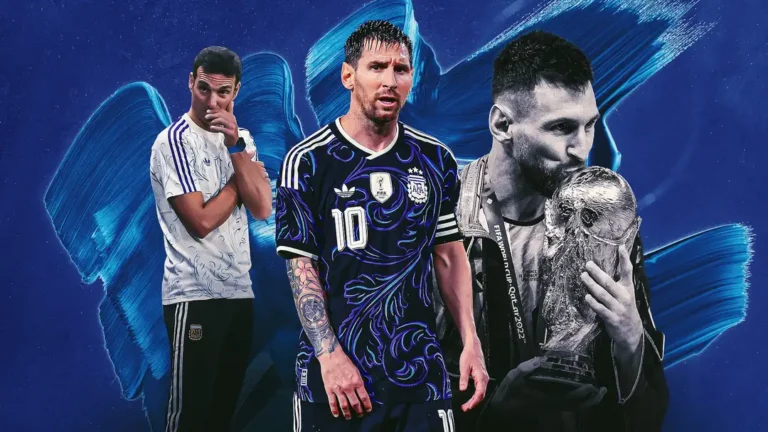

Football Tactics Decoded An In Depth Analysis Of Iconic Strategies
Updated: April 8, 2026
Football Tactics Decoded: An In-Depth Analysis of Iconic Strategies
Football, often dubbed “the beautiful game,” is not only a sport of passion and athleticism but also a game deeply rooted in strategy and tactics. Over the years, football has evolved, with coaches and teams continuously innovating to outsmart their opponents. This article delves into some of the most iconic football tactics that have shaped the game, exploring their origins, implementation, and impact on the sport.
The Importance of Tactical Prowess in Football
In the world of football, tactics can mean the difference between victory and defeat. While raw talent and skill are essential, the ability to deploy effective strategies often sets great teams apart from good ones. Tactics encompass everything from formation to player roles and in-game adjustments. Understanding these strategies can provide deeper insights into how teams operate and succeed on the field.
The 4-4-2 Formation: A Classic Approach
The 4-4-2 formation is one of the most recognized and enduring tactics in football history. This formation consists of four defenders, four midfielders, and two forwards. Its popularity lies in its balance, providing defensive solidity and attacking options. The 4-4-2 allows teams to maintain a strong defensive line while offering width and depth in attack.
Some of the most successful teams in football history have utilized the 4-4-2 formation. Manchester United under Sir Alex Ferguson frequently employed this setup to great effect, dominating English football for years.
Catenaccio: The Art of Defense

Originating in Italy, Catenaccio, which translates to “door-bolt,” is a tactical system focused on strong defensive play. It emphasizes a tight defense and quick counter-attacks. The formation typically involves a sweeper, or libero, positioned behind the line of defenders to provide additional security.
While Catenaccio has been criticized for its defensive nature, it has proven effective against more aggressive teams. The AC Milan team of the 1960s is often cited as a classic example of Catenaccio in action, achieving significant success in European competitions.
Total Football: A Revolution in the Game
Total Football, developed by Rinus Michels and Johan Cruyff in the Netherlands, is a revolutionary tactic that emphasizes fluidity and versatility. In Total Football, any outfield player can take over the role of another player, allowing for seamless transitions and adaptability during a match.
This strategy requires players to be exceptionally skilled and versatile, capable of performing multiple roles. The Dutch national team of the 1970s, featuring Cruyff, showcased Total Football on the world stage, earning a reputation for their attractive and effective style of play.
Tiki-Taka: The Pinnacle of Possession Play
Tiki-Taka is a possession-based tactic characterized by short, quick passes and maintaining control of the ball. Developed and popularized by FC Barcelona under Pep Guardiola, Tiki-Taka focuses on creating spaces and breaking down opponents through patient build-up play.
This tactic requires exceptional technical ability and high football intelligence from players. The Spanish national team, which won the 2010 FIFA World Cup, demonstrated the effectiveness of Tiki-Taka on the international stage, solidifying its place in football history.
Gegenpressing: The High-Intensity Strategy

Gegenpressing, a term popularized by Jürgen Klopp, is a tactic that involves pressing the opposition immediately after losing possession of the ball. The objective is to regain control quickly and disrupt the opponent’s rhythm.
This high-intensity strategy demands fitness, discipline, and teamwork. Klopp’s Liverpool and Borussia Dortmund teams have effectively employed Gegenpressing, achieving success in domestic and European competitions.
Modern Tactical Innovations
Today’s football landscape is ever-changing, with coaches constantly seeking to innovate and adapt to new challenges. Modern tactics often involve hybrid formations and dynamic player roles, blending elements from various classic strategies.
Teams now utilize advanced data analysis and technology to refine their tactical approaches. This evolution has led to a more nuanced understanding of the game, with tactics becoming increasingly sophisticated and tailored to specific opponents.
The Impact of Tactical Evolution on Football
The evolution of football tactics has had a profound impact on the sport. It has transformed how teams prepare for matches, how players are developed, and how fans experience the game. Tactical diversity has led to more engaging and unpredictable matches, keeping the sport fresh and exciting for audiences worldwide.
Furthermore, the globalization of football has facilitated the exchange of ideas and strategies across continents, leading to a richer and more varied tactical landscape. This cross-pollination of tactics has elevated the standard of play and contributed to the sport’s global appeal.
Conclusion: The Future of Football Tactics

As football continues to evolve, so too will the strategies that define it. The future of football tactics will likely see even greater integration of technology and data analysis, providing teams with more tools to optimize their performance. As new generations of players emerge, the game will undoubtedly see further innovation and adaptation.
Understanding the intricacies of these iconic football tactics offers a glimpse into the strategic depth of the sport. Whether you’re a seasoned fan or new to the game, appreciating the tactical elements can enhance your enjoyment and understanding of football. As the sport continues to captivate audiences worldwide, the tactical battles on the pitch will remain a fundamental aspect of its enduring allure.
The Role of Technology in Modern Football Tactics
In recent years, technology has become a pivotal component in the development and execution of football tactics. The use of video analysis, GPS tracking, and advanced statistics allows coaches to gain deeper insights into team performance and individual player contributions. This data-driven approach facilitates the creation of bespoke strategies tailored to exploit the weaknesses of opponents or enhance the strengths of a team.
For instance, video analysis tools enable coaches to dissect every aspect of a match, from player positioning to the effectiveness of certain plays. This information can then be used to refine tactics and prepare for future encounters. The integration of technology also extends to training sessions, where coaches can monitor player fitness and adjust training loads to maximize performance on match days.
Moreover, the use of virtual reality is beginning to make waves in the football world. By simulating match scenarios, players can experience game-like conditions without the physical toll, allowing them to hone their decision-making skills and tactical awareness in a controlled environment.
The Psychological Aspect of Football Tactics

Beyond the physical and technical components, the psychological aspect of football tactics plays a crucial role in a team’s success. Coaches must consider the mental state of their players when devising strategies. Confidence, motivation, and mental resilience can significantly influence how effectively a team implements a tactical plan.
Psychological preparation involves building a positive team culture, fostering trust among players, and instilling a winning mentality. Teams that succeed often have a strong sense of unity and belief in their tactics, which can galvanize them during high-pressure situations such as a championship final or a relegation battle.
Coaches like Pep Guardiola and Jürgen Klopp are renowned for their ability to motivate and mentally prepare their squads, ensuring that their players are not only physically ready but also psychologically primed to execute their game plan.
Adapting Tactics to Diverse Football Cultures
Football is a global sport, with diverse cultures influencing how the game is played in different regions. Tactics must often be adapted to align with the cultural context of a team or nation. This adaptation can involve modifying formations, adjusting playing styles, or incorporating local football philosophies.
For example, South American teams are known for their flair and creativity, often favoring an attacking style of play. In contrast, European teams may emphasize discipline and organization, reflecting their tactical heritage. Successful coaches are those who can blend these cultural elements, creating a strategy that resonates with their players and suits the team’s identity.
The ability to adapt tactics to the cultural and environmental context is crucial, especially in international competitions where teams from various footballing backgrounds clash. This adaptability can be a decisive factor in overcoming opponents with differing tactical approaches.
Emerging Tactical Trends in Football

As football evolves, new tactical trends continue to emerge, influenced by shifts in the game’s dynamics and the introduction of innovative ideas. One such trend is the increasing use of false nines and inverted wingers, which can disrupt traditional defensive setups by creating confusion and space for attacking players.
Another emerging trend is the utilization of overlapping center-backs, where defenders venture forward to support attacks, adding an unexpected dimension to a team’s offensive play. This tactic demands high technical skills and tactical awareness from defenders, allowing teams to overload specific areas of the pitch and create numerical advantages.
Additionally, the concept of positional play, which focuses on maintaining optimal positioning and spacing to control the game, is gaining traction. This approach emphasizes intelligent movement and decision-making, enabling teams to dominate possession and dictate the tempo of a match.
The Future of Football Tactics: A Strategic Horizon
Looking ahead, the future of football tactics is poised to be shaped by continued innovation and the relentless pursuit of competitive advantage. The integration of artificial intelligence and machine learning may revolutionize how tactics are developed, providing predictive insights and enhancing decision-making processes.
Moreover, as the game becomes more globalized, we can expect a cross-pollination of tactics from different footballing cultures, leading to a richer and more diverse tactical landscape. Young coaches, equipped with fresh perspectives and a willingness to experiment, will play a crucial role in driving this evolution.
Ultimately, the future of football tactics will be defined by those who dare to challenge conventional wisdom, embracing creativity and adaptability in their quest for success. As the sport continues to captivate and inspire, the tactical battles that unfold on the pitch will remain a testament to the strategic depth and enduring appeal of the beautiful game.
In the ever-evolving world of football, one thing is certain: the quest for tactical mastery and innovation will remain at the heart of the sport’s enduring legacy.







![NXGN HIC Template [16_9] Multiple Image.jpg](https://shein-express.com/wp-content/uploads/2026/04/NXGN-HIC-Template-16_9-Multiple-Image.jpg-768x432.webp)